
I came across this beautiful writeup by Exotic India. Here it is :
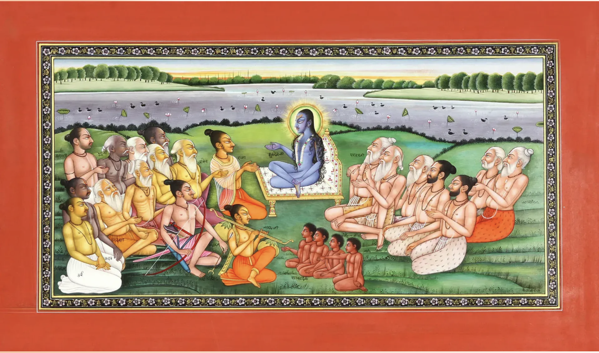
The Sanskrit word for history is ‘Itihaas’ (इतिहास). It has three parts:
‘iti’ (इति) meaning “like this”
‘ha’ (ह) meaning “definitely”
‘sa’ (स) meaning “it happened” (past tense)
So the meaning of Itihaas is: It definitely happened like this.
However, who can compile the history of Bharata, which, being the Karmabhoomi, has always witnessed the conflict of Dharma and Adharma! What benefit can it ultimately bring? Evidently, all conflicts are actuated by the eternal clash of self-interest of individuals prompted by those deep-rooted six enemies of man, grouped as “Ari-Shad-Varga”-namely Kāma(desire), Krodha (anger), Mada (pride), Moha (attachment), Lobha (greed), and Matsarya (envy).
Therefore, our Itihaas is not about what happened once, but about what continues to happen, again and again, in the eternal rhythm of the cosmos, considering the fact that human nature remains the same. However, the question is, how can a history that is repetitive be made interesting?
In Indian tradition, history is narrated differently. Based on the main events and transformed by the creative power of the author, being blended with Nava-rasas, literature takes birth as history, which has the aim of noble instruction. Itihaas comes to us through people awakened to the greatest truths. Ramayana and Mahabharata are Itihaasas only in this sense.
A śloka defines it effectively:
धर्मार्थकाममोक्षाणामुपदेशसमन्वितम् पूर्ववृत्तं कथायुक्तमितिहासं प्रचक्षते।
“That which instructs on dharma, artha, kāma, and mokṣa, consisting of stories of past events, is called Itihaas.”
This is why Itihaas is timeless. History may pass, but Itihaas abides. It teaches not merely what occurred, but what must be remembered.
History tells us what happened.
Itihaas tells us what must never be forgotten.